

5 Drinks That Can Cause Cavities and Tooth Decay
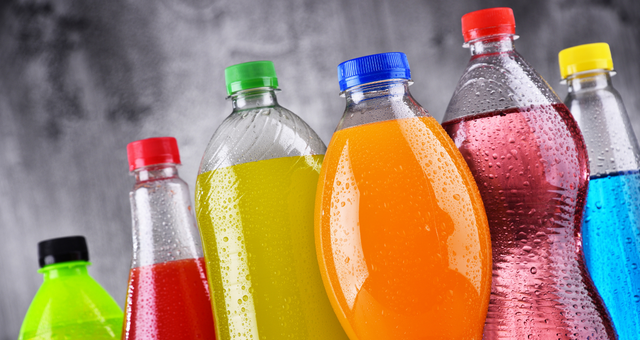
You probably already know that drinking soda all day isn’t doing your teeth any favors. But what about your morning orange juice? Your afternoon energy drink? That sports drink you grab after a workout?
Some of the drinks we think of as healthier choices can be surprisingly tough on our teeth.
The problem isn’t always just sugar, either. Many popular drinks are both sugary and acidic, creating a one-two punch that can increase your risk of tooth decay while also weakening your tooth enamel.
Does that mean you can never enjoy orange juice, soda, an energy drink, or your favorite sweet coffee again?
Not necessarily.
Understanding which drinks can affect your teeth, why they cause problems, and how you drink them can help you make choices that protect your smile without feeling like you have to give up everything you enjoy.
Why Do Certain Drinks Cause Cavities?
There are actually two different things happening when certain drinks come in contact with your teeth: tooth decay and enamel erosion.
When you drink something containing sugar, bacteria in your mouth use that sugar and produce acids. Those acids attack the hard outer surface of your teeth, called enamel. Repeated acid attacks can eventually cause tooth decay and cavities.
But some drinks don’t need bacteria to create the acid.
Acidic beverages can directly weaken and erode enamel. That means even a sugar-free drink can potentially be hard on your teeth if it is highly acidic.
Frequency matters, too.
Your saliva naturally helps neutralize acids and restore minerals to your teeth after you eat or drink. But if you’re sipping a sugary or acidic beverage throughout the morning or afternoon, you’re repeatedly exposing your teeth before they’ve had time to recover.
That’s why what you drink matters, and how you drink it matters, too.
1. Energy Drinks
Energy drinks can be one of the toughest beverages on your teeth because many combine three major concerns: sugar, acidity and how energy drinks are consumed. If you open one at your desk and sip it for several hours, your teeth are being exposed repeatedly.
A better approach: Keep energy drinks occasional rather than making them an everyday beverage. When you have one, drink it within a relatively short period instead of sipping it throughout the day, and follow it with water.
2. Orange Juice and Other Fruit Juices
Orange juice certainly doesn’t have the same reputation as soda, but your teeth don’t necessarily see it that way.
Even 100% orange juice contains naturally occurring sugars, and citrus juices are acidic. That means frequent exposure can contribute to both tooth decay and enamel erosion.
A better approach: If you enjoy orange juice, have a smaller serving with breakfast or another meal instead of sipping it by itself throughout the morning. Follow it with water, and consider choosing whole fruit more often.
3. Regular Soda
When most people think about drinks that cause cavities, soda is probably the first thing that comes to mind, and for good reason.
Regular soda can contain significant amounts of added sugar, while its acidity can also contribute to enamel erosion.
That means every sip can expose your teeth to another round of sugar and acid.
The biggest concern may be someone who drinks a soda slowly throughout the day. Finishing a soda with lunch exposes your teeth for a limited period of time. Taking a sip every 15 minutes for several hours continually starts the process over again.
A better approach: Make soda an occasional treat rather than your everyday source of hydration. If you’re going to have one, drink it with a meal and don’t stretch one can or bottle across several hours.
4. Sports Drinks
Sports drinks are often marketed alongside exercise and hydration, so it’s easy to assume they’re automatically good for you.
For your teeth, that’s not always the case.
Many sports drinks contain added sugar and acids that can contribute to tooth decay and erosion. The risk can increase if you’re repeatedly sipping a sports drink during a long workout when your mouth may already be dry.
For many everyday activities and workouts, water is a much more tooth-friendly way to stay hydrated.
A better approach: Make water your everyday hydration choice and save sports drinks for the situations when you actually need them rather than drinking them as an everyday beverage.
5. Lemonade, Fruit Punch, and Sweetened Tea
These drinks can be easy to overlook, especially because they don’t always feel as indulgent as drinking a soda.
But lemonade can contain both significant sugar and citrus acid. Fruit punch often contains added sugar and acidic ingredients. Sweet tea may contain enough added sugar to repeatedly feed cavity-causing bacteria, especially if you’re sipping on a large glass throughout the afternoon.
Again, frequency becomes important.
A better approach: Choose unsweetened tea when possible, reduce added sugar, and keep lemonade and fruit drinks as occasional choices instead of everyday beverages.
So, How Many Sugary or Acidic Drinks Can You Have Per Week?
Here’s where we don’t want to give you a misleading answer.
There isn’t a universally accepted number of sodas, energy drinks, or glasses of orange juice per week that suddenly makes them “safe” for your teeth.
In general, less frequent exposure is better.
If you want a practical way to think about it, make water your everyday drink and sugary or highly acidic beverages occasional drinks rather than daily habits. If you’re currently having one or more every day, cutting back to only a few occasions per week can significantly reduce how often your teeth are being exposed.
And remember, having an acidic or sugary beverage two or three times in one week doesn’t guarantee you won’t develop decay or erosion. Your individual risk depends on many factors, including your oral hygiene, saliva production, diet, existing dental health, and how frequently your teeth are exposed to sugar and acid throughout the day.
If you’re prone to cavities or experiencing enamel erosion, sensitivity, or dry mouth, your dentist may recommend limiting these drinks even further.
How to Protect Your Teeth When You Do Have These Drinks
You don’t necessarily have to swear off your favorite drink forever. A few small changes can make a meaningful difference.
Have it with a meal.
Whenever possible, enjoy sugary or acidic drinks alongside food instead of continually drinking them between meals.
Don’t sip for hours.
How long the drink remains in contact with your teeth matters. Drink it, enjoy it, and move on rather than keeping it beside you all afternoon.
Drink water afterward.
Water can help rinse away sugars and acids left behind in your mouth.
Use a straw when appropriate.
Positioning a straw toward the back of your mouth can help reduce how much an acidic drink bathes the front surfaces of your teeth.
Don’t swish it around your mouth.
Holding or swishing an acidic beverage gives the liquid more contact with your teeth.
Wait before brushing.
It may seem like brushing immediately after drinking something acidic would help, but acidic drinks can temporarily soften the surface of your enamel. Instead, rinse with water and give your saliva time to neutralize the acids. The American Dental Association recommends waiting about an hour before brushing after acidic foods or drinks.
Chew sugar-free gum.
Sugar-free gum can stimulate saliva production, which helps your mouth naturally neutralize and clear acids.
Brush twice a day and floss daily.
Good daily oral hygiene remains one of your best defenses against tooth decay.
The Best Everyday Drink for Your Teeth? Water.
If there is one simple change you can make, it’s this:
Reach for water more often. Plain, ordinary tap water, please.
Water doesn’t expose your teeth to sugar or dietary acids. It can also help rinse food and other beverages from your mouth. Fluoridated water offers the additional benefit of helping strengthen enamel and prevent cavities. (If you choose bottled water, reach for the pH neutral or alkaline ones.)
That doesn’t mean you can’t enjoy an orange juice with breakfast, grab an energy drink occasionally, or order your favorite coffee.
It simply means your teeth will thank you when those drinks are the exception, not what you’re sipping all day long.
Worried About Cavities or Enamel Erosion?
Tooth decay and enamel erosion can begin long before you notice pain or other obvious symptoms. Regular dental exams give us an opportunity to spot changes early and help you understand what may be contributing to them.
At 330 Dental, we believe prevention is always better than waiting for a small problem to become a bigger one. We’ll help you understand what your teeth need and find practical ways to protect your smile without making dental health feel overwhelming.